If you’re dealing with spider veins or varicose veins, you...
Read More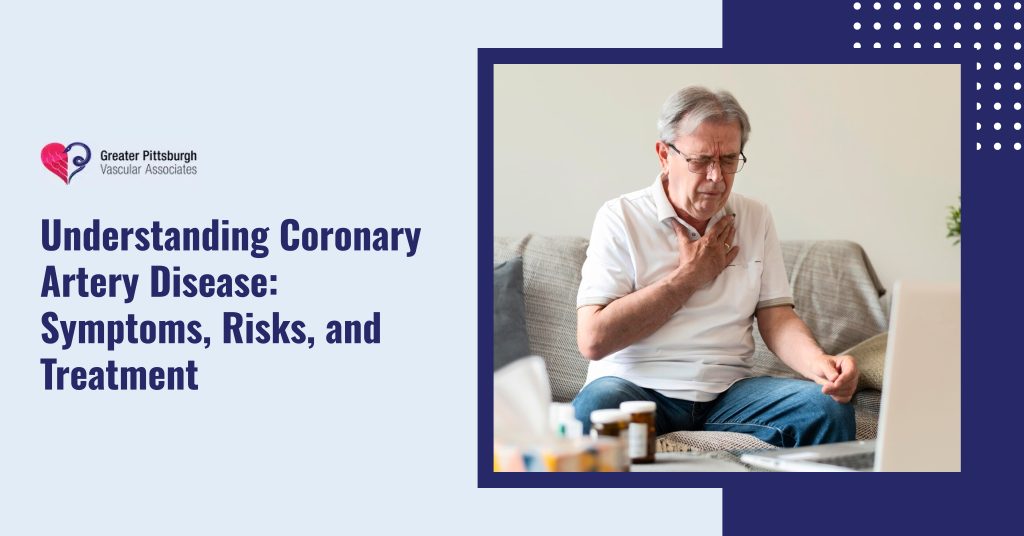
Coronary artery disease (CAD) is a serious heart condition that affects millions of people worldwide. Let's break down what it is, how to spot it, and what you can do about it.
Key Points about Coronary Artery Disease
- Definition: CAD occurs when plaque builds up in the coronary arteries.
- Prevalence: About 18.2 million adults in the United States have CAD.
- Symptoms:
- Common: Chest pain, shortness of breath, fatigue.
- Women: Nausea, vomiting, jaw pain.
- Causes:
- Atherosclerosis: Plaque buildup due to high LDL cholesterol, high blood pressure, and smoking.
- Risk Factors: High blood pressure, high cholesterol, smoking, diabetes, obesity, inactivity.
- Diagnosis Methods: ECG, stress test, echocardiogram, cardiac catheterization (90% sensitivity), CT scan.
- Treatment Options:
- Medications: Statins, beta-blockers, ACE inhibitors, aspirin, nitroglycerin.
- Procedures: Angioplasty, stent placement, CABG, PCI.
- Prevention Strategies:
- Lifestyle Changes: Quit smoking, maintain a healthy diet, exercise regularly.
- Risk Factor Management: Control blood pressure, manage diabetes.
- Outlook: About 735,000 Americans die from heart disease each year.
1. What is Coronary Artery Disease?
CAD happens when the arteries that supply blood to your heart get clogged up with a fatty substance called plaque. It's like when a pipe gets blocked - less water can flow through. In this case, less blood reaches your heart, which can cause big problems.
Imagine your heart as a busy factory that never stops working. The coronary arteries are like the roads that bring supplies to keep the factory running. When these roads get blocked, the factory (your heart) can't work properly.

At Greater Pittsburgh Vascular Associates, we specialize in treating coronary artery disease and other heart issues. We use advanced technology to help keep your heart's "roads" clear and traffic flowing smoothly.
2. Common Symptoms of CAD
How do you know if you might have CAD? Here are some signs to watch out for:
- Chest pain (doctors call this "angina")
- Feeling short of breath, like you've run a marathon when you've only climbed a few stairs
- Feeling really tired all the time
- For women: Sometimes feeling sick to your stomach, throwing up, or having pain in your jaw
It's like your body is sending you a text message saying, "Hey, something's not right here!" If you notice these symptoms, it's important to talk to a doctor right away.
3. Understanding the Causes of CAD
CAD is usually caused by a process called atherosclerosis. That's a big word that basically means "artery hardening." Over time, stuff like cholesterol and other junk builds up in your arteries, making them narrow and stiff.
Think of it like a water slide at a pool. If gunk builds up on the sides of the slide, less water can flow through, and eventually, it might get completely blocked.
The main arteries that can be affected are:
- Right main coronary artery
- Left main coronary artery
- Left circumflex artery
- Left anterior descending artery
At Greater Pittsburgh Vascular Associates, we offer comprehensive care for all types of vascular issues, including those that can lead to CAD.
4. Key Risk Factors for Coronary Artery Disease
Some things make you more likely to get CAD. It's like how being outside in the rain makes you more likely to get wet. Here are some of those risk factors:
Things you can change:
- High blood pressure
- High cholesterol
- Smoking
- Being overweight
- Not exercising enough
- Having diabetes
Things you can't change:
- Getting older
- Being a man (sorry, guys!)
- Having family members who had heart problems
Our Amputation Prevention Program focuses on managing these risk factors to prevent severe complications from vascular diseases.
5. Diagnosing Coronary Artery Disease
If a doctor thinks you might have CAD, they'll use special tests to check your heart. It's like being a detective, but instead of looking for clues at a crime scene, they're looking for clues in your body.
Some of these tests include:
- ECG (Electrocardiogram): This test looks at the electrical activity of your heart.
- Echocardiogram: It's like an ultrasound for your heart.
- Stress tests: These see how your heart works when you exercise.
- Cardiac catheterization: A special test that looks inside your arteries.
- CT scans: These take detailed pictures of your heart.

At Greater Pittsburgh Vascular Associates, we use these advanced diagnostic tools to get a clear picture of your heart health.
6. Medication Options for Managing CAD
If you have CAD, your doctor might give you medicine to help. These aren't like magic pills that make everything better instantly, but they can help manage your condition and make you feel better.
Some common medicines include:
- Statins: These help lower your cholesterol.
- Beta-blockers: They help your heart work less hard.
- ACE inhibitors: These help lower your blood pressure.
- Aspirin: It helps prevent blood clots.
- Nitroglycerin: This can help if you're having chest pain.
Remember, always take medicines exactly as your doctor tells you to!
7. Minimally Invasive Procedures for CAD Treatment
Sometimes, medicines aren't enough to treat CAD. In that case, doctors might use special procedures to help open up your blocked arteries. These procedures are like unclogging a drain, but for your heart!
Two common procedures are:
- Angioplasty: A tiny balloon is inflated inside your artery to push the plaque against the artery wall.
- Stent placement: A small tube is put in your artery to keep it open.
At Greater Pittsburgh Vascular Associates, we offer these and other minimally invasive treatments for vascular issues.
8. Surgical Interventions for Severe CAD
In some cases, CAD might be so serious that you need surgery. The main type of surgery for CAD is called coronary artery bypass surgery, or CABG for short.
In CABG, doctors take a healthy blood vessel from another part of your body and use it to create a new path around the blocked artery. It's like building a detour road when the main road is closed.
After surgery, you'll need time to recover. This might include:
- Staying in the hospital for a few days
- Going to cardiac rehabilitation to learn how to exercise safely
- Making changes to your diet and lifestyle
9. Lifestyle Changes to Manage CAD
One of the best ways to fight CAD is by making changes to how you live. It's like being your own superhero and fighting the bad guys (in this case, CAD) with your everyday choices.
Here are some changes that can help:
- Eating a heart-healthy diet with lots of fruits, vegetables, and whole grains
- Exercising regularly (but check with your doctor first!)
- Finding ways to manage stress, like deep breathing or meditation
- Quitting smoking if you smoke
10. Prevention Strategies for Coronary Artery Disease
The best way to deal with CAD is to try to prevent it in the first place. It's like putting on sunscreen before you go to the beach - you're protecting yourself before there's a problem.
Some ways to prevent CAD include:
- Keeping your blood pressure and cholesterol under control
- Maintaining a healthy weight
- Getting regular check-ups with your doctor
- Staying active and exercising regularly

11. Living with CAD: Long-term Management and Outlook
If you have CAD, it's something you'll need to manage for the long term. But don't worry - many people with CAD live full, active lives. It's like having a car that needs extra maintenance - with the right care, it can still run great!
Long-term management might include:
- Regular check-ups with your doctor
- Watching for any changes in your symptoms
- Adjusting your treatment plan as needed
- Staying committed to your healthy lifestyle changes
12. Innovations in CAD Treatment at Greater Pittsburgh Vascular Associates
At Greater Pittsburgh Vascular Associates, we're always looking for new and better ways to treat CAD. We use the latest technology and personalized treatment approaches to give you the best care possible.
Some of our advanced services include:
- State-of-the-art diagnostic tools
- Minimally invasive treatment options
- Comprehensive cardiac care services
We even offer innovative treatments like Genicular Artery Embolization for knee pain, which shows our commitment to cutting-edge vascular care.
Remember, your heart works hard for you every day. By understanding CAD and taking steps to prevent or manage it, you're giving your heart the support it needs to keep you healthy and active for years to come.
Innovative Imaging Revolutionizes Knee Pain Treatment
Are you dealing with knee pain from osteoarthritis? There’s a...
Read More

Life-Changing Results: Patient Success After Genicular Artery Embolization
Knee osteoarthritis can really hurt and make it hard to...
Read More
Genicular Artery Embolization: What to Expect During the Procedure
Introduction to Genicular Artery Embolization (GAE) Genicular Artery Embolization (GAE)...
Read More