
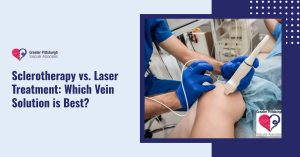
If you’re dealing with spider veins or varicose veins, you...
Read More
If you're dealing with spider veins or varicose veins, you might be wondering about the best treatment options. Two popular choices are sclerotherapy and laser treatment. Let's compare these vein treatments to help you decide which one might be right for you.
Key Takeaways
Sclerotherapy vs. Laser Treatment
- Sclerotherapy uses injections, laser uses heat
- Sclerotherapy is generally less expensive
- Laser is more precise for small veins
- Sclerotherapy often requires fewer sessions
- Laser may be better for certain skin tones
- Both are outpatient procedures with quick recovery
Understanding Sclerotherapy
Sclerotherapy is a procedure where a doctor injects a solution into problematic veins. This causes the vein walls to stick together and seal shut. At Greater Pittsburgh Vascular Associates, we offer sclerotherapy for varicose and spider veins. It works well for smaller to medium-sized veins and has been used for a long time.
The procedure usually takes 30-45 minutes and is done in a doctor's office. You might need more than one treatment to fully close a vein, but many people see big improvements after just one or two sessions. During the treatment, you might feel a little discomfort, but most people handle it well.

Understanding Laser Treatment
Laser vein treatment uses light energy to heat and close off problematic veins. There are two main types:
- Endovenous Laser Treatment (EVLT): Used for larger varicose veins
- Surface Laser Treatment: Used for smaller spider veins
Laser treatments are also done in a doctor's office and usually take about 30-60 minutes. You might need more than one session for the best results. Laser treatment is really good for very small veins that might be hard to treat with sclerotherapy. It's also a good choice if you don't like needles or if you're allergic to the solution used in sclerotherapy.

Comparing Effectiveness
Both sclerotherapy and laser treatment can work really well for treating varicose and spider veins. But how well they work can depend on the size and type of veins being treated. Sclerotherapy is often better for larger veins, while laser treatment might be better for very small, surface veins.
Success Rates: Sclerotherapy vs. Laser Treatment
It's important to know that even though these treatments work well, new veins might show up over time, and you might need more treatments to keep the results. How well the treatments work can also depend on things like your overall health, lifestyle, and how well you follow the doctor's instructions after treatment.
Treatment Experience
There are some differences in what you might experience during sclerotherapy and laser treatment:
- Pain: Sclerotherapy might sting or burn a little during the injection. Laser treatment might feel like a rubber band snapping against your skin. Most people find both treatments okay and not too uncomfortable.
- Number of sessions: You might need fewer sessions with sclerotherapy compared to laser treatment. But this can change depending on how many veins you're treating.
- Recovery time: Both treatments don't need much recovery time, but you might need to wear special stockings after sclerotherapy. These help squeeze the treated veins and improve blood flow.
- Results: You might see results faster with sclerotherapy, while laser treatment results can take a few weeks to show up fully.

Side Effects and Risks
Both sclerotherapy and laser treatment are generally safe, but they can have some side effects:
Sclerotherapy Side Effects
- Bruising or swelling where you got the injections (this goes away)
- Skin color changes (usually fades over time)
- Small sores where you got the injections (rare)
- Allergic reactions to the injection solution (very rare)
Laser Treatment Side Effects
- Redness and swelling in the treated area
- Skin color changes (more likely if you have darker skin)
- Blistering (rare)
- Changes in skin feeling (usually temporary)
Serious problems like blood clots or bad allergic reactions are very rare for both treatments. It's important to talk to your doctor about any worries or health conditions you have before getting either treatment.
Cost Considerations
The cost of vein treatment can change depending on how many veins you're treating and how many sessions you need. Usually, sclerotherapy costs less than laser treatment. At Greater Pittsburgh Vascular Associates, we offer fair prices for both treatments. Things that can affect the cost include:
- How many veins you're treating and how big they are
- Which treatment you choose
- How experienced your doctor is
- Where the clinic is located
It's important to know that insurance coverage for these treatments can be different. Many insurance plans cover treatment for varicose veins if they're causing health problems, but they might not cover treatments just to make your legs look better. It's a good idea to check with your insurance company to see what they cover.
Choosing the Right Treatment for You
The best treatment for you depends on several things:
- Size and type of veins: Bigger veins might do better with sclerotherapy, while very small surface veins might be better for laser treatment.
- Skin color: Laser treatments might need extra care if you have darker skin because they could change your skin color.
- Your overall health: Some health conditions might make one treatment better for you than the other.
- What you prefer: Some people like the quick injections of sclerotherapy, while others might prefer the no-needle approach of laser treatment.
- Your budget: Think about both the initial costs and the possibility of needing more than one treatment.
- Your goals: Whether you're more concerned about health issues or how your legs look can affect which treatment is best.
It's really important to talk to a vein specialist to figure out the best treatment plan for you. They can look at your veins, talk about your health history, and recommend the best way to treat your veins.

Conclusion
Both sclerotherapy and laser treatment are good ways to treat varicose and spider veins. Sclerotherapy might be better for smaller veins and often costs less, while laser treatment can work really well for larger veins and some skin types. Each treatment has its own good points, and the best choice depends on your specific situation.
The key to successful vein treatment is working with experienced doctors who can help you choose the best option for you. At Greater Pittsburgh Vascular Associates, our team of experts is ready to help you get healthier, better-looking legs. We create treatment plans just for you, taking into account your specific vein problems, health history, and what you want your legs to look like.
Don't let varicose or spider veins bother you anymore – schedule an appointment today and take the first step towards feeling better about your legs! Our specialists will give you a thorough check-up and talk about all your options to make sure you get the most effective treatment for your needs. With the right treatment, you can enjoy smoother, clearer skin and better vein health.
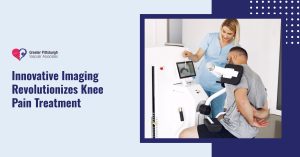
Innovative Imaging Revolutionizes Knee Pain Treatment
Are you dealing with knee pain from osteoarthritis? There’s a...
Read More

Life-Changing Results: Patient Success After Genicular Artery Embolization
Knee osteoarthritis can really hurt and make it hard to...
Read More