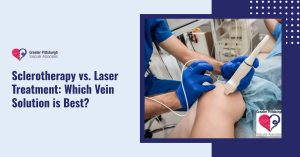
If you’re dealing with spider veins or varicose veins, you...
Read More
At Greater Pittsburgh Vascular Associates, we help patients avoid limb loss through our Amputation Prevention Program. We use advanced medical techniques and personalized care to give patients the best chance at keeping their limbs healthy and working well. Our program addresses each person's unique needs, focusing on early treatment and ongoing management of conditions that can lead to amputation.
Key Takeaways
| Aspect | Details |
|---|---|
| Program Focus | Comprehensive amputation prevention through personalized care |
| Key Risk Factors | Peripheral Arterial Disease (PAD) and Diabetes |
| Approach | Advanced diagnostics, personalized treatment plans, expert care team |
| Treatment Options | Minimally invasive procedures, surgical revascularization, advanced wound care |
| Importance | Early detection and intervention for best outcomes |
Understanding the Risks of Amputation
Limb loss is a serious concern for many people, especially those with certain health conditions. In the United States, over 500,000 people experience limb loss or are born with a limb difference each year. This shows how important it is to take care of your limbs early on.
Two main health problems that can lead to amputations are:
- Peripheral Arterial Disease (PAD): This condition affects blood flow in your legs and feet, which can lead to tissue damage and possibly amputation.
- Diabetes: High blood sugar can harm nerves and blood vessels in your feet, increasing the risk of ulcers and infections that might require amputation if not treated.
If you have these conditions, it's really important to take care of your feet and legs. Our program is here to help you do that! We focus on managing these conditions to lower your risk of amputation and improve your overall quality of life.


Our Amputation Prevention Approach
At Greater Pittsburgh Vascular Associates, we look at the whole picture. Our team works together to create a plan that's just right for you. Here's how we do it:
1. Advanced Diagnostic Techniques
We use special tests to check how well blood is flowing in your legs and feet. This helps us find problems early, before they get worse. Our tests include:
- Ankle-Brachial Index (ABI) testing
- Duplex ultrasound
- Angiography
- CT and MRI scans
These tests help us accurately check your vascular health and find any areas of concern.
2. Personalized Treatment Plans
Everyone's different, so we make sure your treatment plan fits your specific needs. This might include medicine, special exercises, or even small procedures to improve blood flow. We consider:
- Your overall health and medical history
- How serious your condition is
- Your lifestyle and personal goals
- Any other health conditions you may have
3. Expert Care Team
Our doctors, nurses, and specialists all work together to give you the best care possible. We have experts in vascular health, wound care, and more - all focused on keeping your limbs healthy. Our team includes:
- Vascular surgeons
- Interventional radiologists
- Wound care specialists
- Podiatrists
- Endocrinologists for diabetes management
- Physical therapists
Advanced Diagnostic Techniques
Special tests to check blood flow in legs and feet, enabling early problem detection
Personalized Treatment Plans
Tailored approaches including medication, exercises, and procedures to improve blood flow
Expert Care Team
Multidisciplinary team of vascular health and wound care specialists working collaboratively
Cutting-Edge Treatments for Limb Salvage
Sometimes, to save a limb, we need to use special treatments. These can include:
- Minimally invasive procedures: Small operations that help improve blood flow, such as angioplasty and stenting
- Surgical revascularization: More complex surgeries to fix blocked blood vessels, including bypass grafts
- Advanced wound care: Special treatments to help heal stubborn wounds, including negative pressure wound therapy and bioengineered skin substitutes
- Hyperbaric oxygen therapy: A treatment that uses high-pressure oxygen to promote healing in difficult wounds
These treatments can make a big difference in preventing amputations and helping people keep their limbs. Our team is skilled in the latest techniques and technologies, ensuring you receive the most effective care possible.
The Importance of Early Detection
One of the best ways to prevent amputations is to catch problems early. That's why we encourage regular check-ups and screenings, especially for people with diabetes or PAD. Some things to watch out for include:
- Changes in skin color on your feet or legs
- Numbness or tingling in your feet
- Wounds that don't heal quickly
- Pain in your legs when walking
- Temperature differences between your feet
- Loss of hair on your legs or feet
- Shiny, smooth skin on your legs
If you notice any of these signs, it's important to see a doctor right away. The sooner we can start treatment, the better chance we have of saving your limb. Early intervention can often prevent minor issues from becoming major problems that could lead to amputation.


Patient Education and Self-Care
A big part of preventing amputations is learning how to take care of yourself. We teach our patients:
- How to check their feet every day for problems, using a mirror if necessary to see all areas
- The right way to trim toenails and care for their skin, including proper moisturizing techniques
- Why it's important to wear good shoes that fit well and provide adequate support
- How to manage their diabetes or other health conditions, including blood sugar monitoring and medication adherence
- The importance of regular exercise and maintaining a healthy diet
- Smoking cessation strategies, as smoking significantly increases the risk of vascular problems
By learning these skills, you can play a big role in keeping your limbs healthy and avoiding amputations. Our team provides ongoing support and education to ensure you feel confident in managing your health at home.
Success Stories: Real People, Real Results
We've helped many people avoid amputations and keep their limbs healthy. Here are a couple of examples:
Case Study 1: Diabetic Foot Ulcer
John, a 55-year-old man with diabetes, came to us with a stubborn foot ulcer. With our advanced wound care and personalized treatment plan, we were able to heal the ulcer and save his foot from amputation. Our approach included:
- Aggressive wound debridement
- Application of advanced wound dressings
- Offloading techniques to reduce pressure on the wound
- Diabetes management optimization
Case Study 2: Critical Limb Ischemia
Sarah, a 70-year-old woman, was told she might need her leg amputated due to poor blood flow. Our team used minimally invasive procedures to improve circulation in her leg, avoiding amputation and helping her walk comfortably again. Her treatment included:
- Angioplasty and stenting of blocked arteries
- Supervised exercise therapy
- Medication to improve blood flow
- Regular follow-ups to monitor progress
The Impact of Amputation Prevention
Preventing amputations doesn't just save limbs - it saves lives and improves quality of life. People who avoid amputation often:
- Stay more active and independent
- Have better overall health
- Enjoy a higher quality of life
- Avoid the high costs associated with amputation and prosthetics
- Maintain their ability to work and participate in daily activities
- Experience less psychological distress and improved mental health
By focusing on prevention, we can help more people live fuller, healthier lives. Our Amputation Prevention Program is designed to address not just the physical aspects of limb preservation, but also the emotional and social impacts of potential limb loss.

Our Team of Specialists
At Greater Pittsburgh Vascular Associates, we have a team of experts ready to help you. Our specialists include:
- Vascular surgeons: Doctors who specialize in blood vessel health and can perform both open and endovascular procedures
- Interventional radiologists: Experts in using imaging to guide minimally invasive treatments for vascular conditions
- Wound care specialists: Professionals who focus on healing difficult wounds using the latest techniques and technologies
- Podiatrists: Foot doctors who help keep your feet healthy and address any foot-specific issues
- Endocrinologists: Specialists in managing diabetes and other hormonal disorders that can affect vascular health
- Physical therapists: Experts in helping you maintain mobility and strength, crucial for preventing complications
Together, this team works to give you the best possible care and the highest chance of avoiding amputation. Our collaborative approach ensures that all aspects of your health are considered in developing your treatment plan.
Take Action for Limb Preservation
If you're worried about your risk of amputation, or if you have diabetes, PAD, or other conditions that affect your legs and feet, don't wait to get help. Early action is key to preventing limb loss.
Here's what you can do:
- Schedule a check-up with your doctor
- Ask about getting screened for vascular problems
- Learn more about our Amputation Prevention Program
- Take steps to manage your health, like controlling your blood sugar if you have diabetes
- Implement lifestyle changes such as quitting smoking and increasing physical activity
- Be vigilant about foot care, especially if you have diabetes or circulatory issues
Remember, at Greater Pittsburgh Vascular Associates, we're here to help you keep your limbs healthy and your life on track. Don't let the fear of amputation hold you back - with the right care and attention, many amputations can be prevented. Reach out to us today to learn how we can help you stay healthy and active for years to come!
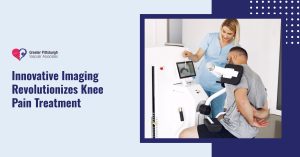
Innovative Imaging Revolutionizes Knee Pain Treatment
Are you dealing with knee pain from osteoarthritis? There’s a...
Read More

Life-Changing Results: Patient Success After Genicular Artery Embolization
Knee osteoarthritis can really hurt and make it hard to...
Read More
