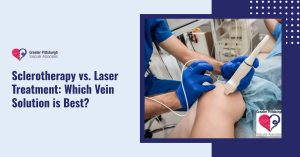
If you’re dealing with spider veins or varicose veins, you...
Read More
Lymphedema and vascular health are closely connected. Let's explore this important relationship and how it affects your overall well-being. Understanding this connection is crucial for managing lymphedema effectively and maintaining good vascular health.
Key Points: Lymphedema and Vascular Health
- Lymphedema affects up to 250 million people worldwide
- Common causes include cancer treatment, infections, and genetic factors
- Early detection and treatment are crucial for better outcomes
- Maintaining good vascular health helps manage lymphedema
- Treatment options include compression therapy, exercise, and surgery
- Patient education is important for at-home management
- Ongoing research focuses on new treatments and prevention strategies
What is Lymphedema?
Lymphedema is a condition where fluid builds up in your body's tissues, usually in the arms or legs. This happens when the lymphatic system, which helps remove waste and excess fluid, isn't working properly. The lymphatic system plays a crucial role in maintaining fluid balance and supporting the immune system.
At Greater Pittsburgh Vascular, we specialize in treating lymphedema and understand how it impacts your vascular health. Our expertise allows us to provide comprehensive care tailored to each patient's unique needs.


Types of Lymphedema
There are two main types of lymphedema:
- Primary lymphedema: This is a rare condition you're born with. It's caused by genetic factors that affect the development of the lymphatic system.
- Secondary lymphedema: This is more common and happens because of damage to your lymphatic system, often from cancer treatment or injuries. Other causes can include infections, obesity, and chronic venous insufficiency.
Our amputation prevention program helps manage complications that can lead to secondary lymphedema. This program is especially important for patients with diabetes or peripheral artery disease who are at higher risk for limb-threatening conditions.
Signs and Symptoms of Lymphedema
It's important to recognize the signs of lymphedema early. Common symptoms include:
- Swelling in your arm or leg, which may develop gradually or suddenly
- A feeling of heaviness or tightness in the affected limb
- Difficulty moving the affected limb, including reduced range of motion
- Recurring infections in the affected area, such as cellulitis
- Hardening and thickening of the skin, also known as fibrosis
- Aching or discomfort in the affected limb
- Changes in skin texture or appearance

How Lymphedema Affects Vascular Health
Lymphedema can have a big impact on your vascular health. When lymph fluid builds up, it can:
- Increase your risk of infections, as the stagnant fluid can become a breeding ground for bacteria
- Make it harder for blood to flow properly, potentially leading to venous insufficiency
- Cause long-term problems with your overall health, including decreased mobility and quality of life
- Put additional stress on the cardiovascular system
- Lead to skin changes and wounds that are slow to heal
Our cardiac care services can help manage these vascular health issues. We take a holistic approach to ensure that both your lymphatic and cardiovascular systems are functioning optimally.
Diagnosing Lymphedema
To diagnose lymphedema, doctors at Greater Pittsburgh Vascular use several methods:
- Physical examination to assess swelling and skin changes
- Measuring the affected limb and comparing it to the unaffected side
- Imaging tests like MRI or CT scans to visualize the lymphatic system
- Special tests that look at how your lymph system is working, such as lymphoscintigraphy
- Bioimpedance spectroscopy to measure fluid levels in the tissues
Learn more about our diagnostic services for accurate lymphedema detection. Early diagnosis is key to preventing progression and managing the condition effectively.
Treatment Options for Lymphedema
While there's no cure for lymphedema, there are many ways to manage it and improve your vascular health:
- Complete Decongestive Therapy (CDT): This includes special massage, compression, exercise, and skin care. CDT is considered the gold standard for lymphedema treatment.
- Compression therapy: Using special garments to help reduce swelling and prevent fluid buildup. This may include compression sleeves, stockings, or bandages.
- Exercise: Gentle movements can help lymph fluid flow better. Specific exercises designed for lymphedema patients can be particularly beneficial.
- Surgery: In some cases, surgery might be an option to improve lymph drainage. Procedures may include lymph node transfer or lymphovenous anastomosis.
- Pneumatic compression devices: These machines use air pressure to massage and move fluid out of the affected limb.
- Laser therapy: Low-level laser therapy may help reduce inflammation and promote lymph flow.
Our lymphedema clinic offers comprehensive treatment options tailored to your needs. We work with each patient to develop a personalized treatment plan that addresses their specific symptoms and lifestyle.
Preventing Lymphedema
If you're at risk for lymphedema, there are steps you can take to lower your chances of developing it:
- Protect your skin from cuts and burns to reduce the risk of infection
- Stay at a healthy weight to reduce stress on your lymphatic system
- Exercise regularly, but gently, to promote lymph flow
- Avoid tight clothing or jewelry that could restrict circulation
- Use sunscreen to prevent sunburns, which can stress the lymphatic system
- Practice good skin hygiene to prevent infections
- Be cautious with blood draws, injections, and blood pressure measurements on the affected limb

The Role of Vascular Health in Managing Lymphedema
Good vascular health is crucial for managing lymphedema. Here's why:
- Healthy blood vessels help reduce fluid buildup by promoting proper circulation
- Good circulation supports overall lymphatic function and helps prevent additional stress on the lymphatic system
- Vascular treatments can sometimes help improve lymph drainage by addressing underlying circulatory issues
- Maintaining cardiovascular health can reduce the risk of complications associated with lymphedema
Our vascular care services can help improve your overall vascular health, which is important for managing lymphedema. We offer a range of treatments to address various vascular conditions that may impact lymphatic function.
Greater Pittsburgh Vascular's Approach to Lymphedema Care
At Greater Pittsburgh Vascular, we take a comprehensive approach to treating lymphedema:
- We have a team of experts who work together to create your treatment plan, including vascular specialists, lymphedema therapists, and nutritionists
- We offer personalized care based on your specific needs, taking into account your medical history, lifestyle, and treatment goals
- We provide education to help you manage your condition at home, empowering you to take an active role in your care
- We use the latest treatments and technologies for the best results, staying up-to-date with advancements in lymphedema management
- We offer ongoing support and follow-up care to ensure long-term success in managing your lymphedema

Conclusion
Understanding the connection between lymphedema and vascular health is crucial for managing this condition effectively. At Greater Pittsburgh Vascular, we're committed to providing top-notch care to help you live your best life, even with lymphedema. Remember, early treatment and ongoing management are key to keeping lymphedema under control and maintaining good vascular health.
Our comprehensive approach combines expert medical care with patient education and support, ensuring that you have the tools and knowledge to manage your condition effectively. We stay at the forefront of lymphedema and vascular health research, incorporating new findings and treatments into our practice to provide you with the best possible care.
If you're concerned about lymphedema or your vascular health, don't wait. Contact our lymphedema clinic today to schedule an appointment. Our team of experts is here to help you every step of the way, from diagnosis through treatment and long-term management. Take the first step towards better health and improved quality of life by reaching out to Greater Pittsburgh Vascular today.
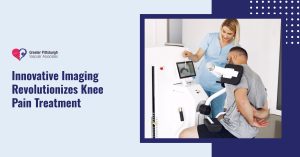
Innovative Imaging Revolutionizes Knee Pain Treatment
Are you dealing with knee pain from osteoarthritis? There’s a...
Read More

Life-Changing Results: Patient Success After Genicular Artery Embolization
Knee osteoarthritis can really hurt and make it hard to...
Read More