
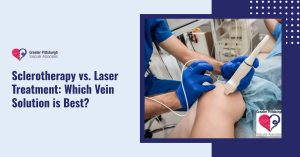
If you’re dealing with spider veins or varicose veins, you...
Read More
Varicose veins are a common condition that affects many people, especially as they get older. These swollen, twisted veins usually appear in the legs and can be both unsightly and uncomfortable. But what about their relationship to heart health? Let's explore the link between varicose veins and cardiovascular health to better understand these two conditions.
Key Takeaways
- Varicose veins and heart problems are not directly linked but share common risk factors
- Both conditions affect the circulatory system but in different ways
- Healthy lifestyle choices can help prevent and manage both varicose veins and cardiovascular issues
- Regular check-ups and diagnostic tests are important for early detection and treatment
- Modern treatments are available for both varicose veins and heart-related conditions
Understanding Varicose Veins
Varicose veins are enlarged, twisted veins that bulge just under the skin's surface. They most often occur in the legs, feet, and ankles. These veins develop when the valves inside the veins become weak or damaged, allowing blood to flow backward and pool in the veins.
While varicose veins can be a cosmetic concern, they can also cause aching pain and discomfort. In some cases, they may lead to more serious problems if left untreated. Symptoms of varicose veins can include:
- Visible, dark purple or blue veins
- Aching or heavy feeling in the legs
- Swelling in the lower legs
- Itching around the affected veins
- Skin discoloration around the varicose vein

Doctors use special tests like duplex ultrasound to check for varicose veins and other vascular problems. This helps them see how blood is flowing in your veins and if there are any issues. The duplex ultrasound is particularly useful because it can provide detailed images of the veins and measure blood flow, allowing for accurate diagnosis and treatment planning.
Cardiovascular Health Basics
Cardiovascular health refers to the health of your heart and blood vessels. It's super important because your heart pumps blood throughout your body, delivering oxygen and nutrients to all your organs and tissues.
When we talk about cardiovascular health, we're usually thinking about things like:
- How well your heart is working
- The condition of your arteries and veins
- Your blood pressure
- Your cholesterol levels
Keeping your cardiovascular system healthy helps prevent serious problems like heart attacks and strokes. Good cardiovascular health is also linked to better overall health, increased energy levels, and improved quality of life.
The Relationship Between Varicose Veins and Cardiovascular Health
Now, here's the big question: Are varicose veins linked to heart problems? The short answer is no, not directly. Varicose veins are a problem with your veins, while most heart issues are related to your arteries. They're two different parts of your circulatory system.
However, varicose veins and cardiovascular problems do share some common risk factors. This means that if you have one condition, you might be more likely to develop the other. But it doesn't mean one causes the other.
Shared Risk Factors
Some of the risk factors that varicose veins and cardiovascular problems have in common include:
Common Risk Factors
- Obesity: Extra weight puts pressure on veins and heart
- Lack of exercise: Not moving enough affects blood flow and heart health
- Age: Risk goes up as you get older
- Family history: Having relatives with vein or heart problems increases risk
- Smoking: Damages blood vessels and raises health risks
It's important to remember that having these risk factors doesn't mean you'll definitely develop varicose veins or heart problems. But it does mean you should pay extra attention to your health and talk to your doctor about ways to lower your risk.
Prevention Strategies for Both Conditions
The good news is that many of the things you can do to prevent varicose veins can also help keep your heart healthy. Here are some tips:
- Stay active: Regular exercise helps improve circulation and keeps your veins and heart strong. Aim for at least 150 minutes of moderate-intensity aerobic activity or 75 minutes of vigorous-intensity aerobic activity per week.
- Maintain a healthy weight: Extra pounds put more pressure on your veins and heart. If you're overweight, losing even 5-10% of your body weight can make a significant difference.
- Eat a balanced diet: Foods rich in fiber and low in salt are good for both vein and heart health. Include plenty of fruits, vegetables, whole grains, and lean proteins in your diet.
- Don't smoke: Smoking damages your blood vessels and increases your risk of heart problems. If you smoke, consider quitting or seek help to do so.
- Avoid sitting or standing for long periods: This can help prevent blood from pooling in your legs. If you have a desk job, try to take regular breaks to move around or do simple leg exercises.

If you do develop varicose veins or have concerns about your heart health, there are many treatment options available. Modern techniques, like minimally invasive vascular repairs, can help address both vein and artery problems with less discomfort and quicker recovery times.
Diagnostic Procedures for Vascular Health
If you're worried about your vein or heart health, your doctor might recommend some tests. These can help figure out if you have any problems and how serious they are.
For varicose veins, doctors often use:
- Physical exams: The doctor looks at your legs while you're standing to check for swelling.
- Duplex ultrasound: This test uses sound waves to see how blood is flowing in your veins.
For heart health, common tests include:
- Blood pressure checks
- Cholesterol tests
- Electrocardiograms (ECGs) to check your heart's electrical activity
- Echocardiograms to visualize the heart's structure and function
- Stress tests to evaluate heart function during physical activity
Remember, it's important to get regular check-ups, even if you feel fine. Some vein and heart problems don't have obvious symptoms at first.
Treatment Options for Varicose Veins
If you do have varicose veins, don't worry! There are many ways to treat them. The best option for you depends on how severe your veins are and what symptoms you're having.
Some common treatments include:
- Compression stockings: These special socks squeeze your legs to help blood flow better.
- Sclerotherapy: A doctor injects a special solution into the vein to make it close up and fade away.
- Laser treatments: Strong beams of light are used to close off smaller varicose veins.
- Radiofrequency ablation: This technique uses heat to seal off problematic veins.
- Surgery: For very large veins, a doctor might remove them through small cuts in your skin.

Your doctor can help you decide which treatment is best for you. They'll consider things like your overall health, how bad your veins are, and what you prefer.
Managing Cardiovascular Health
Taking care of your heart is super important for your overall health. Here are some key things you can do:
- Exercise regularly: Aim for at least 30 minutes of moderate activity most days of the week. This can include brisk walking, swimming, or cycling.
- Eat a heart-healthy diet: This includes lots of fruits, vegetables, whole grains, and lean proteins. Limit saturated fats, trans fats, and added sugars.
- Keep your blood pressure and cholesterol in check: Get them checked regularly and follow your doctor's advice if they're high. This may include lifestyle changes or medication.
- Manage stress: Try relaxation techniques like deep breathing, meditation, or yoga. Chronic stress can negatively impact heart health.
- Get enough sleep: Aim for 7-9 hours each night. Poor sleep has been linked to increased risk of heart disease.
- Limit alcohol consumption: If you drink, do so in moderation. This means up to one drink per day for women and up to two drinks per day for men.
If you have any heart problems, your doctor might also prescribe medications to help. Always take these as directed and don't stop without talking to your doctor first.
Conclusion: A Holistic Approach to Vascular Health
While varicose veins and cardiovascular health are separate issues, they're both part of your overall vascular system. Taking care of one can often help the other. By adopting healthy habits and getting regular check-ups, you can keep both your veins and your heart in good shape.
Remember, if you have concerns about varicose veins or your heart health, don't hesitate to talk to your doctor. They can provide personalized advice and help you stay healthy from head to toe!

Modern vascular treatments can make a big difference in your overall health. From managing varicose veins to improving blood flow, these procedures can help you feel better and reduce your risk of complications. Interventional vascular surgery, for example, offers minimally invasive options that can address a wide range of vascular issues with less risk and faster recovery times compared to traditional open surgeries.
By understanding the link between varicose veins and cardiovascular health, you can take steps to keep your entire circulatory system healthy. Remember, small changes in your daily habits can add up to big improvements in your health over time! Whether it's taking a daily walk, choosing heart-healthy foods, or scheduling regular check-ups with your doctor, every positive action contributes to better vascular health.
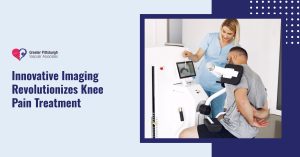
Innovative Imaging Revolutionizes Knee Pain Treatment
Are you dealing with knee pain from osteoarthritis? There’s a...
Read More

Life-Changing Results: Patient Success After Genicular Artery Embolization
Knee osteoarthritis can really hurt and make it hard to...
Read More
