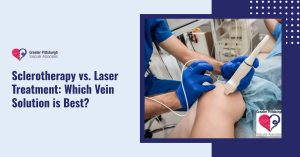
If you’re dealing with spider veins or varicose veins, you...
Read More
Varicose veins are a common problem that affects many people. These swollen, twisted veins can be uncomfortable and make you feel self-conscious. In this guide, we'll explore the latest treatment options available in 2024 to help you understand your choices and find the best solution for your needs.
Key Takeaways
| Aspect | Information |
|---|---|
| Prevalence | About 30% of people will develop varicose veins |
| Risk Factors | Age, gender, pregnancy, weight, prolonged standing/sitting, family history |
| Treatment Options | Conservative methods, minimally invasive procedures, surgical interventions |
| Emerging Treatments | Medical superglue (VenaSeal), ClariVein |
| Post-Treatment Care | Compression stockings, regular walking, follow-up appointments |
Understanding Varicose Veins
Varicose veins are enlarged, twisted veins that usually appear in the legs. They happen when the valves in your veins don't work properly, causing blood to pool and the veins to swell. About 30% of people will get varicose veins at some point in their lives. These veins can cause discomfort, aching, and heaviness in the legs, and may lead to more serious problems if not treated.

Risk factors for developing varicose veins include:
- Age (most common between 40-80 years old)
- Being female (women are more likely to get them)
- Pregnancy
- Being overweight
- Standing or sitting for long periods
- Family history
Knowing these risk factors can help you take steps to prevent varicose veins and get treatment early if you notice them developing.
Diagnosing Varicose Veins
If you think you might have varicose veins, your doctor will examine your legs while you're standing. They might also use a special ultrasound machine called a Venous Doppler to check how blood is flowing in your veins. This test is painless and gives your doctor important information about your veins and blood flow, helping them decide the best way to treat your condition.

Conservative Treatment Options
Before trying more advanced treatments, your doctor might suggest some simple ways to manage your varicose veins. These methods can often help a lot and might be enough for mild cases:
- Wearing compression stockings
- Exercising regularly
- Elevating your legs when resting
- Avoiding long periods of standing or sitting
- Maintaining a healthy weight
- Avoiding tight clothing that restricts blood flow

These methods can help improve blood flow and reduce swelling and discomfort. Compression stockings are often recommended first. They work by squeezing your legs to help push blood back to your heart and reduce swelling. Learn more about conservative vein treatments and how they can help you.
Minimally Invasive Treatment Options
If simple treatments don't help enough, there are several options that don't require major surgery. These procedures are usually done as outpatient treatments and you can recover more quickly than with traditional surgery:
1. Sclerotherapy
This treatment involves injecting a special solution into the varicose veins, causing them to close and eventually disappear. It's often used for smaller veins and spider veins. The procedure is quick and can be done in a doctor's office with little discomfort.

2. Endovenous Laser Ablation (EVLA)
EVLA uses laser energy to heat and close off the affected vein. It's done with local anesthesia and usually takes less than an hour. A thin laser fiber is put into the vein through a small cut, and the laser energy makes the vein collapse and seal shut. Blood then flows through healthy veins instead.
3. Radiofrequency Ablation (RFA)
Similar to EVLA, RFA uses radio waves to heat and close the vein. It's also a quick procedure with little downtime. A thin tube is put into the vein, and radio energy is used to heat and seal the vein wall. This works well for larger varicose veins.

These treatments usually work well and let patients get back to normal activities quickly. Learn more about these minimally invasive vein treatments to see which one might be best for you.
Surgical Treatment Options
Sometimes, surgery might be recommended for larger varicose veins or when other treatments haven't worked:
1. Ligation and Stripping
This procedure involves tying off the affected vein and removing it through small cuts. It's usually done as an outpatient procedure with general anesthesia. While it's more invasive than other options, it can be very effective for severe cases of varicose veins.
2. Ambulatory Phlebectomy
In this procedure, the doctor removes smaller varicose veins through tiny skin punctures. It can often be done in the doctor's office with local anesthesia. This method is good for removing visible varicose veins just under the skin.
Both surgical options give long-lasting results but may need more recovery time compared to less invasive treatments. Learn more about surgical options for varicose veins and talk to your doctor about whether these might be right for you.
Emerging Treatment Options
New treatments are always being developed to provide better and less invasive options for varicose veins. Two newer options that have shown good results include:
1. Medical Superglue (VenaSeal)
This treatment uses a special medical glue to seal off the affected vein. It doesn't use heat, so there's less risk of nerve damage. A small amount of medical-grade glue is injected into the vein using ultrasound guidance, effectively closing it. This procedure is minimally invasive and usually lets patients return to normal activities right away.
2. ClariVein
ClariVein combines mechanical and chemical treatments to close the vein. It uses a rotating wire to apply a medicine inside the vein. This two-part approach can work better than traditional sclerotherapy for certain types of veins. The procedure is minimally invasive and can be done with local anesthesia.
These new treatments offer more options for patients who might not be able to have traditional procedures or who want less invasive options. As with all medical treatments, it's important to talk about the possible benefits and risks with your vein doctor.
Ligation and Stripping
Outpatient procedure to tie off and remove affected veins
Ambulatory Phlebectomy
Removal of smaller veins through tiny skin punctures
VenaSeal
Uses medical adhesive to seal off affected veins
ClariVein
Combines mechanical and chemical treatments to close veins
Choosing the Right Treatment
Deciding on the best treatment depends on several things:
- The size and location of your varicose veins
- Your overall health
- Your preferences and lifestyle
- Your doctor's expertise
- How bad your symptoms are
- Any previous treatments you've had
It's important to talk with a vein specialist to find the best option for you. They can look at your specific case and suggest a treatment plan that's right for you. Remember that what works best for one person may not be the best for another. Schedule a visit with a vein expert to talk about your treatment options and get advice just for you.
Recovery and Aftercare
After your treatment, you'll need to take care of yourself to get the best results and avoid problems. Your doctor will give you specific instructions based on the procedure you had, but general aftercare tips often include:
- Wear compression stockings as your doctor tells you to
- Walk regularly to help blood flow
- Don't lift heavy things for a few weeks
- Go to your follow-up appointments
- Avoid standing or sitting for long periods
- Raise your legs when resting
- Drink plenty of water and eat healthy foods
It's really important to follow your doctor's instructions carefully to heal properly and get the best possible outcome. If you notice anything unusual or have worries during your recovery, don't hesitate to call your doctor. Learn more about how to take care of yourself after varicose vein treatment to make sure you recover smoothly.
Prevention and Long-Term Management
Even after treatment, it's important to take steps to prevent new varicose veins from forming and keep your veins healthy. Long-term management strategies include:
- Stay at a healthy weight
- Exercise regularly, focusing on activities that improve blood flow
- Avoid sitting or standing for long periods
- Raise your legs when resting
- Wear compression stockings if your doctor recommends them
- Drink plenty of water and eat a balanced diet with lots of fiber
- Avoid tight clothing that can restrict blood flow
- Protect your skin from too much sun
By adopting these healthy habits, you can greatly reduce your risk of getting new varicose veins and improve your overall vein health. Regular check-ups with your vein specialist can also help keep an eye on your condition and address any new concerns quickly.
Varicose Vein Management
Treatment Options
Recovery and Aftercare
Prevention
Consultation
Conclusion
Varicose veins can be uncomfortable and make you feel self-conscious, but there are many effective ways to treat them. From simple lifestyle changes to minimally invasive procedures and surgery, you have options to help improve the health and look of your legs. New and better treatments are always being developed to help people with varicose veins.
Remember that everyone's case is different, and what works best for one person might not be the best for another. It's really important to talk to a vein specialist to find the best treatment plan for you. They can thoroughly check your condition and recommend the best way to help you.
Don't let varicose veins stop you from enjoying life. With the right treatment and care, you can have healthier, more comfortable legs and feel better overall. Take the first step towards healthier veins today by reaching out to a qualified vein specialist. Contact Greater Pittsburgh Vascular Associates to start your journey towards healthier veins and get the personalized care you need.
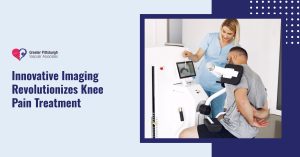
Innovative Imaging Revolutionizes Knee Pain Treatment
Are you dealing with knee pain from osteoarthritis? There’s a...
Read More

Life-Changing Results: Patient Success After Genicular Artery Embolization
Knee osteoarthritis can really hurt and make it hard to...
Read More
