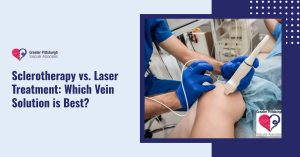
If you’re dealing with spider veins or varicose veins, you...
Read More
Peripheral artery disease (PAD) is a serious condition that affects millions of people worldwide. It happens when plaque builds up in the arteries, reducing blood flow to your legs and arms. About 8-12 million Americans have this condition. The good news is that there are new treatments that can help.
Key Points: New PAD Treatments
- Gene therapy shows promise for severe cases of peripheral artery disease (PAD)
- Cell-based therapies have potential to repair damaged tissue in PAD patients
- Nanoparticle drug delivery could improve medication effectiveness for PAD
- Advanced endovascular techniques are widely used and constantly improving
- Personalized medicine offers tailored treatment plans for PAD patients
Let's explore five new treatments that are helping PAD patients:
1. Gene Therapy: Growing New Blood Vessels
Gene therapy aims to help your body grow new blood vessels. Scientists are working on ways to deliver special genes to your body that can promote the growth of new blood vessels. This could improve blood flow in areas affected by PAD.
Some of the genes being studied include VEGF, HGF, and EPAS1. These genes act like instructions for your body to build new blood vessels. While this treatment is still being tested, it shows a lot of promise for PAD patients who haven't had success with other treatments.
Gene therapy for PAD works by introducing genetic material into the patient's cells to stimulate angiogenesis - the formation of new blood vessels. This process can potentially bypass blocked arteries and improve circulation in affected limbs. Clinical trials have shown encouraging results, with some patients experiencing improved walking distance and reduced pain.
Learn more about advanced cardiac care options
2. Cell-Based Therapies: Your Body's Natural Healers
Our bodies have amazing healing abilities, and cell-based therapies use this power. This treatment uses special cells, often taken from your own body, to help repair damaged tissues and grow new blood vessels.
One type of cell being studied is called mesenchymal stem cells. These cells can turn into different types of tissues and may help create new blood vessels. Early studies have shown that this treatment can improve walking distance and reduce pain for some PAD patients.
Cell-based therapies for PAD typically involve harvesting stem cells from the patient's bone marrow or fat tissue. These cells are then processed and injected into the affected areas. The stem cells can change into various cell types, including those that form blood vessels, potentially improving circulation and tissue health in PAD-affected limbs.


3. Nanoparticle-Based Drug Delivery: Tiny Helpers
Nanoparticle-based drug delivery uses super small particles that can carry drugs or other helpful substances directly to the areas affected by PAD.
These nanoparticles can be made from different materials like liposomes (tiny fat bubbles) or special polymers. They're designed to release medicine slowly over time, which could mean better results and fewer side effects.
Nanoparticle-based drug delivery systems offer several advantages for PAD treatment. They can protect drugs from breaking down, help them absorb better, and allow for controlled release over time. This targeted approach may increase the effectiveness of medications while reducing side effects. For example, nanoparticles could deliver anti-inflammatory drugs or growth factors directly to affected arteries, potentially improving outcomes for PAD patients.
Discover our advanced vein services
4. Advanced Endovascular Techniques: Fixing Arteries from the Inside
Doctors have gotten really good at treating PAD without major surgery. They use small tools that go inside your blood vessels to fix problems. Some of the newest techniques include:
- Drug-coated balloons: These balloons are coated with medicine that helps keep arteries open after treatment.
- Special stents: These are tiny tubes that prop open arteries. Some new stents are covered or release medicine to help prevent the artery from closing again.
- Atherectomy: This technique uses special tools to remove plaque from inside arteries.
- Lithoplasty: This new treatment uses sound waves to break up hard plaque, making it easier to treat tough blockages.
These treatments can often be done with just a small puncture, which means faster recovery times for patients.
Advanced endovascular techniques continue to improve, offering PAD patients more options with less invasive procedures. For instance, drug-eluting stents can now deliver medication directly to the arterial wall for months after placement, reducing the risk of the artery narrowing again. Atherectomy devices have become more precise, allowing for better plaque removal. These improvements often mean better outcomes and quicker recovery times for PAD patients.
5. Personalized Medicine: Treatment Just for You
Everyone's body is different, and personalized medicine takes that into account. This approach uses information about your genes and other factors to create a treatment plan that's just right for you.
For PAD, this might mean:
- Genetic testing to see which treatments might work best for you
- Using biomarkers (signs in your blood) to track how well a treatment is working
- Creating exercise programs that are tailored to your specific needs and abilities
This personalized approach can lead to better results and fewer side effects.
Personalized medicine in PAD treatment involves analyzing a patient's genetic profile, lifestyle factors, and specific disease characteristics to tailor interventions. For example, genetic testing might show how likely a patient is to respond to certain medications or their risk of complications from specific procedures. Biomarkers can be used to monitor treatment effectiveness in real-time, allowing for quick adjustments to the treatment plan if needed. This individualized approach aims to maximize treatment effectiveness while minimizing unnecessary interventions.
Learn about genicular artery embolization
Comparing the New Treatments
Let's take a look at how these new treatments stack up:
- Gene Therapy: Still experimental, but shows promise for severe cases
- Cell-Based Therapies: Early results are positive, may help with tissue repair
- Nanoparticle Drug Delivery: Could improve effectiveness of medications
- Advanced Endovascular Techniques: Widely used, continues to improve
- Personalized Medicine: Growing field, offers tailored treatment plans
The Future of PAD Treatment at Greater Pittsburgh Vascular
At Greater Pittsburgh Vascular, we're excited about these new treatments for PAD. We're always looking for ways to provide the best care for our patients. While some of these treatments are still being studied, we offer many advanced options to help manage PAD.
Our team takes a comprehensive approach to PAD care. This means we look at all aspects of your health to create a treatment plan that's right for you. We might recommend lifestyle changes, medications, or minimally invasive procedures depending on your specific situation.
We stay up-to-date on PAD treatment by participating in clinical trials and adopting new technologies as they become available. Our goal is to offer our patients the most effective and least invasive treatments possible, always with an eye on improving quality of life and long-term outcomes.
Find a Greater Pittsburgh Vascular location near you

Wrapping Up: Hope for PAD Patients
PAD can be a challenging condition, but these new treatments offer hope for better outcomes. From growing new blood vessels with gene therapy to using tiny nanoparticles to deliver medicine, science is opening up exciting possibilities for PAD care.
Remember, early diagnosis and treatment are key to managing PAD. If you're experiencing symptoms like leg pain when walking or have risk factors for PAD, it's important to talk to a healthcare provider. With the right care, many people with PAD can improve their symptoms and quality of life.
It's important for PAD patients to work closely with their healthcare providers to develop a comprehensive management plan. This may include a combination of lifestyle changes (such as quitting smoking and increasing physical activity), medical management, and, when necessary, procedures. Regular check-ups and following treatment plans are essential for the best possible outcomes.
Learn who can benefit from genicular artery embolization
At Greater Pittsburgh Vascular, we're committed to providing the most up-to-date and effective treatments for PAD. Whether you're newly diagnosed or looking for better management of your condition, we're here to help you explore your options and find the best path forward.
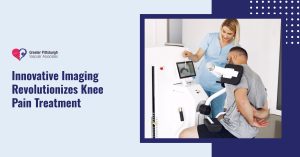
Innovative Imaging Revolutionizes Knee Pain Treatment
Are you dealing with knee pain from osteoarthritis? There’s a...
Read More

Life-Changing Results: Patient Success After Genicular Artery Embolization
Knee osteoarthritis can really hurt and make it hard to...
Read More
