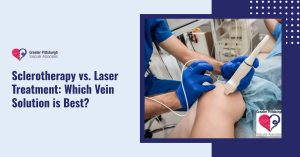
If you’re dealing with spider veins or varicose veins, you...
Read More
Interventional vascular surgery is revolutionizing vascular disease treatment. At Greater Pittsburgh Vascular Associates, our interventional vascular surgeons use advanced techniques to help patients with various vascular conditions. Let's explore how interventional vascular surgery is making a difference in vascular care.
Key Takeaways
| Aspect | Details |
|---|---|
| Definition | Minimally invasive procedures for diagnosis and treatment performed by vascular surgeons |
| Common Conditions Treated | PAD, aneurysms, carotid artery disease |
| Key Procedures | Angioplasty, stenting, embolization, sclerotherapy |
| Benefits | Less pain, faster recovery, shorter hospital stays |
| Specialized Programs | Amputation Prevention, Lymphedema Management |
1. What is Interventional Vascular Surgery?
Interventional vascular surgery uses imaging to guide minimally invasive procedures. It's different from traditional vascular surgery because our surgeons can treat conditions with smaller incisions. For vascular issues, this means we can fix problems without major surgeries.
Interventional vascular surgery lets us treat things like blocked arteries or weak blood vessel walls using tiny tools. We make a small cut and use X-rays or other images to see inside your body. This way, we can fix the problem with minimal disruption to surrounding tissues.
The precision of interventional vascular surgery allows for targeted treatment of vascular issues. By using real-time imaging, our vascular surgeons can navigate through blood vessels with incredible accuracy, reducing the risk of complications and improving outcomes for patients.
2. Common Vascular Conditions We Treat
At our clinic, we help with many vascular health issues. Some of the main ones are:
- Peripheral artery disease (PAD)
- Abdominal aortic aneurysms
- Leg aneurysms
- Carotid artery disease
- Deep vein thrombosis (DVT)
- Varicose veins
- Pulmonary embolism
These conditions can be serious, but with interventional vascular surgery, we can often treat them without major surgery. This means less pain and faster recovery for our patients.
Early detection and treatment of these conditions are crucial. For instance, PAD, if left untreated, can lead to severe complications including critical limb ischemia. Our interventional vascular surgery techniques allow for early intervention, potentially preventing such serious outcomes.

3. Key Procedures in Interventional Vascular Surgery
We use several important procedures to help our patients. Here are some of the main ones:
Angioplasty and Stenting
This procedure helps open up blocked blood vessels. We use a tiny balloon to widen the vessel and sometimes put in a small tube called a stent to keep it open. It's great for treating peripheral artery disease and helps blood flow better.
Embolization
Sometimes, we need to block off a blood vessel that's causing problems. Embolization lets us do this safely. We might use it to stop bleeding or to treat an aneurysm (a weak spot in a blood vessel wall).
Sclerotherapy and Ablation for Veins
For varicose veins or spider veins, we have special treatments. Sclerotherapy uses injections to close off problem veins. Ablation uses heat to seal them. Both can help your legs look and feel better.
Thrombectomy
In cases of severe blood clots, such as in deep vein thrombosis or pulmonary embolism, we can perform a thrombectomy. This procedure involves removing the clot directly from the blood vessel, quickly restoring blood flow and reducing the risk of long-term complications.

4. Amputation Prevention Program
One of our most important services is our Amputation Prevention Program. For people with severe vascular problems, especially those with diabetes, losing a limb can be a real risk. Our program uses interventional vascular surgery techniques to improve blood flow and heal wounds, often preventing the need for amputation.
We use advanced imaging to see exactly where the problem is, then use minimally invasive techniques to restore blood flow. This can be a game-changer for patients who thought they might lose a foot or leg.
Our comprehensive approach includes not just interventional procedures, but also wound care management, diabetes control, and lifestyle modifications. This holistic strategy gives patients the best chance of limb salvage and improved quality of life.
5. Innovative Treatments: Genicular Artery Embolization
We're always looking for new ways to help our patients. One exciting treatment we offer is Genicular Artery Embolization for knee pain. This procedure can help people with osteoarthritis feel better without surgery. We use tiny particles to block some of the blood flow to the knee, which can reduce inflammation and pain.
This innovative treatment is particularly beneficial for patients who have not responded well to conservative treatments or are not candidates for knee replacement surgery. It's a testament to how interventional vascular surgery continues to expand its applications in improving patient care.
6. Lymphedema Management
Lymphedema, a condition where fluid builds up in the body, can be tough to treat. At our Lymphedema Clinic, we use a mix of interventional techniques and other therapies to help manage this condition. Our approach includes:
- Manual lymph drainage
- Compression therapy
- Exercise programs
- Skin care education
- Lymphatic-venous anastomosis (LVA)
By combining these treatments with interventional procedures when needed, we can help patients feel more comfortable and improve their quality of life.
Our lymphedema management program is tailored to each patient's specific needs. We understand that lymphedema can be a challenging chronic condition, and our goal is to provide comprehensive care that addresses both the physical and emotional aspects of living with lymphedema.
7. Benefits of Interventional Vascular Surgery
Choosing interventional vascular surgery for vascular treatment has many benefits:
Benefits of Interventional Vascular Surgery vs Traditional Surgery
Pain
Recovery Time
Scarring
Hospital Stay
Complications
7. Benefits of Interventional Vascular Surgery
As you can see, interventional vascular surgery typically means less pain, faster recovery, and shorter hospital stays compared to traditional surgery.
These benefits translate into improved patient satisfaction and outcomes. Patients often experience less anxiety about the procedure, and the quicker recovery times mean they can return to their normal activities sooner. Additionally, the reduced risk of complications and infections associated with minimally invasive procedures contributes to overall better health outcomes.
8. Why Choose Greater Pittsburgh Vascular Associates
At Greater Pittsburgh Vascular Associates, we're committed to providing top-notch care. Here's why patients choose us:
- State-of-the-art facilities and technology
- Experienced interventional vascular surgeons
- Personalized treatment plans
- Multiple convenient locations in Pittsburgh
- Comprehensive care from diagnosis to follow-up
- Commitment to ongoing education and research
We're proud of our track record in helping patients with vascular conditions. Our team works hard to stay at the forefront of interventional vascular surgery, ensuring you get the best care possible.
Our multidisciplinary approach means that we collaborate with other specialists to provide comprehensive care. This ensures that each patient receives a treatment plan that addresses all aspects of their vascular health, not just isolated symptoms.

Conclusion: The Future of Vascular Care
Interventional vascular surgery is changing how we treat vascular diseases. At Greater Pittsburgh Vascular Associates, we're excited to be part of this revolution in patient care. From treating common conditions like peripheral artery disease to offering innovative treatments like genicular artery embolization, we're here to help you with all your vascular health needs.
If you're dealing with a vascular condition, don't wait. Reach out to us to learn how interventional vascular surgery might help you. With less invasive treatments and faster recovery times, you could be back to feeling your best sooner than you think.
The field of interventional vascular surgery continues to evolve, with new techniques and technologies emerging regularly. As we look to the future, we anticipate even more precise and effective treatments for vascular conditions. At Greater Pittsburgh Vascular Associates, we remain committed to staying at the forefront of these advancements, ensuring that our patients always have access to the most cutting-edge and effective treatments available.
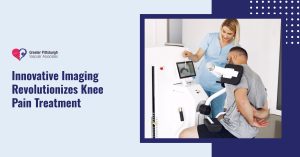
Innovative Imaging Revolutionizes Knee Pain Treatment
Are you dealing with knee pain from osteoarthritis? There’s a...
Read More

Life-Changing Results: Patient Success After Genicular Artery Embolization
Knee osteoarthritis can really hurt and make it hard to...
Read More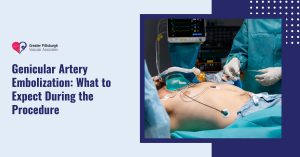
Genicular Artery Embolization: What to Expect During the Procedure
Introduction to Genicular Artery Embolization (GAE) Genicular Artery Embolization (GAE)...
Read More